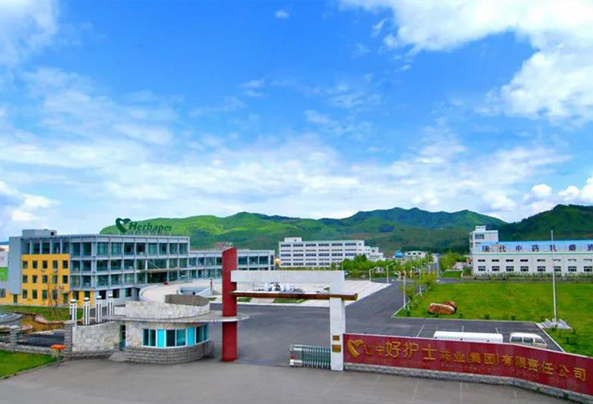
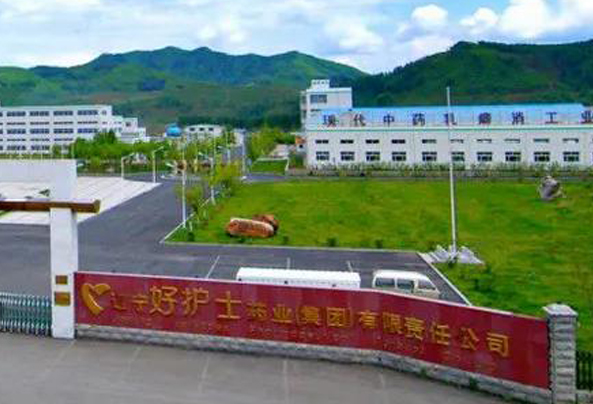
Critical Flooring Challenges in Pharmaceutical Production
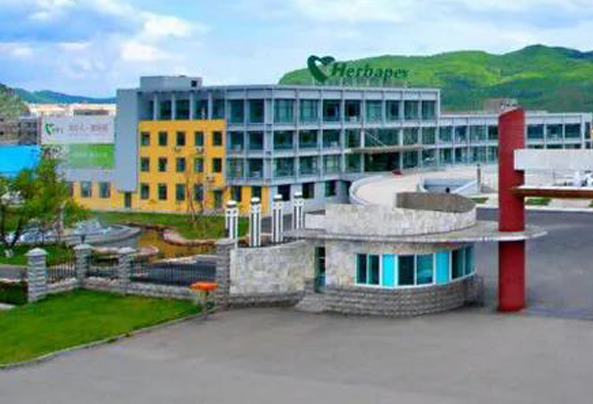
Before the renovation, the factory’s production areas, cleanrooms, and corridors were paved with traditional epoxy flooring, which presented multiple critical issues. Firstly, the epoxy surface lacked long-term antibacterial properties, making it difficult to inhibit the growth of pathogenic bacteria such as Escherichia coli and Staphylococcus aureus— a major violation of GMP hygiene standards. Secondly, the flooring was not resistant to harsh chemical reagents commonly used in pharmaceutical production, such as ethanol, acetone, and disinfectants, leading to frequent surface damage and chemical corrosion. Thirdly, the poor slip resistance of the old flooring posed significant safety risks for workers who often moved heavy equipment and materials. Additionally, the high maintenance costs and long downtime required for epoxy floor repairs further disrupted the factory’s continuous production schedule. These challenges forced the factory to seek a specialized flooring solution tailored to pharmaceutical needs.
Why Pharmaceutical-Specific & Homogeneous Through-Colour Flooring Were Selected
After rigorous evaluation of various flooring options, the factory’s management team selected pharmaceutical-specific PVC flooring with homogeneous through-colour technology. This decision was driven by the product’s unique advantages that perfectly aligned with pharmaceutical production demands. The homogeneous through-colour flooring features a 99% antibacterial rate, complying with the international ISO22196 standard, effectively eliminating cross-contamination risks. Its dense, non-porous surface is highly resistant to a wide range of chemical reagents, ensuring long-term durability even in harsh pharmaceutical environments.
Moreover, the flooring holds an R9 slip resistance rating, providing a safe walking surface for workers and equipment movement. The homogeneous through-colour structure ensures that the floor’s appearance remains consistent even after long-term wear and frequent cleaning, avoiding the unsightly patches common with traditional flooring. To verify product reliability, the team conducted on-site inspections at Dajulong’s manufacturing base, reviewing production processes, GMP compliance certificates, and chemical resistance test reports of the pharmaceutical-specific PVC flooring series.
Project Implementation & Transformative Outcomes
Following four months of solution optimization and sample testing to match the factory’s specific production environment, the official order for 12,000 square meters of pharmaceutical-specific homogeneous through-colour flooring was placed. The construction team implemented a phased installation plan to minimize production disruption, completing the entire project in 60 days. The upgrade covered key areas including cleanrooms, production workshops, and material storage corridors.
The results have been transformative. The new flooring has helped the factory fully meet GMP and ISO 14644-1 cleanroom standards, passing the latest regulatory inspection with excellent results. The antibacterial and easy-to-clean properties have reduced cleaning workload by 40% and eliminated cross-contamination risks. The chemical resistance and wear resistance have cut annual maintenance costs by 55%, while the R9 slip resistance rating has achieved zero flooring-related safety incidents. This successful upgrade not only enhanced the factory’s operational efficiency and product quality assurance but also demonstrated the irreplaceable value of pharmaceutical-specific PVC flooring and homogeneous through-colour flooring in the pharmaceutical industry.