

Zhengzhou Xinzheng International Airport: A Strategic Air Hub Linking China’s Heartland to Global Destinations
As a pivotal transportation gateway in central China, Zhengzhou Xinzheng International Airport (CGO) has evolved into a key hub for both passenger travel and cargo logistics, bridging the country’s heartland with domestic and international destinations. With its expansive infrastructure, extensive route network, and strategic location, the airport plays a vital role in boosting regional economic development and enhancing connectivity across continents.
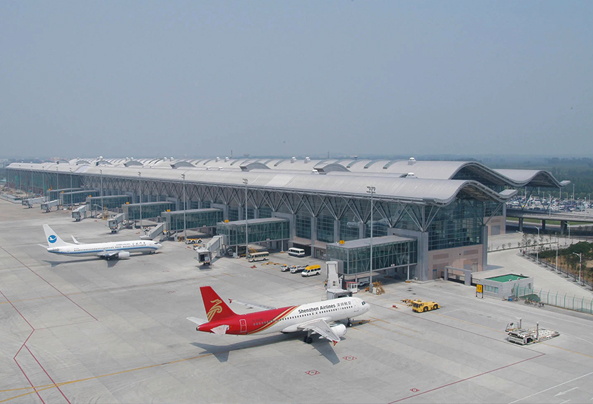
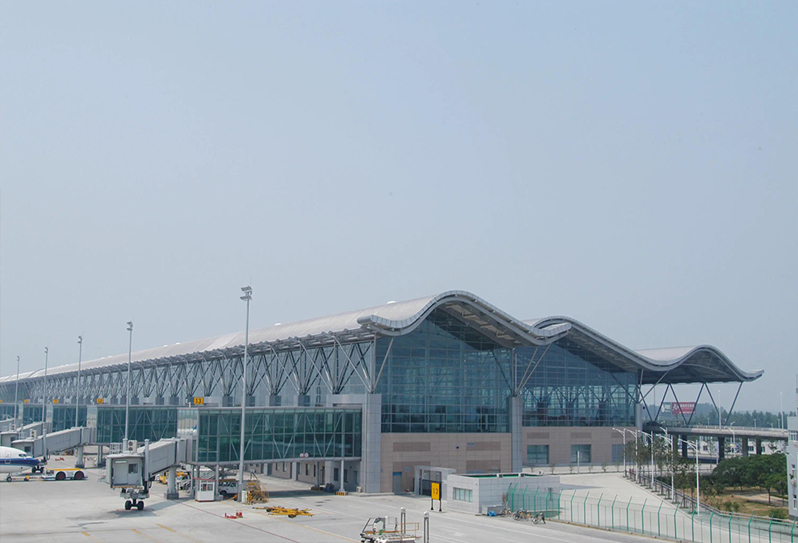
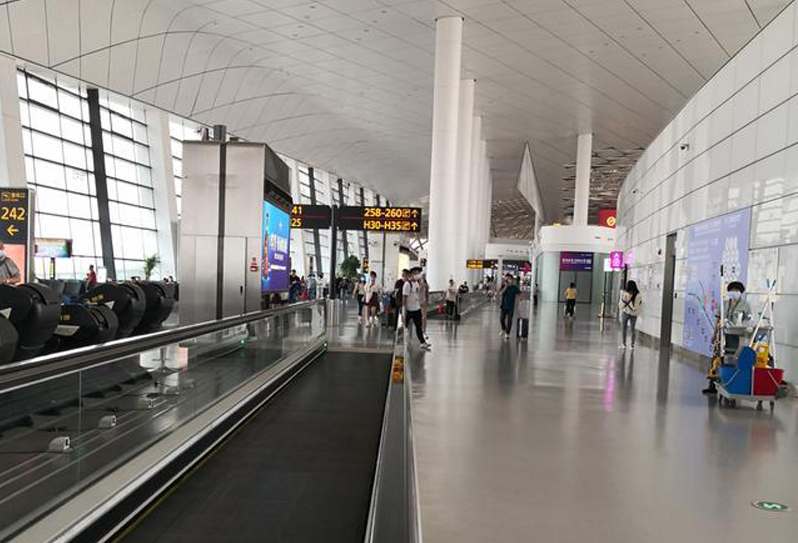
Boasting impressive infrastructure scale, the airport’s facilities are designed to accommodate large passenger and cargo volumes. As of December 2015, it featured two terminals, with a total construction area of 620,000 square meters—though Terminal T1 was out of service at that time. To support its operational capacity, the airport was equipped with 158 aircraft stands, of which 149 were dedicated to passenger planes, ensuring efficient aircraft parking and turnaround. Complementing its terminal and apron facilities are two high-performance runways, measuring 3,400 meters and 3,600 meters in length respectively. These runways meet international standards, enabling the airport to handle a wide range of aircraft types, from narrow-body jets to large wide-body aircraft, and supporting uninterrupted operations even during peak hours.
The airport’s route network has expanded significantly over the years, solidifying its position as a well-connected air hub. By December 2018, Xinzheng Airport had established robust partnerships with 55 passenger airlines, operating 208 passenger routes that linked 116 destinations. This extensive passenger network covers major cities across China, as well as key international hubs in Asia, Europe, and beyond, providing travelers with convenient options for both business and leisure travel. For cargo transportation, the airport has also emerged as a major player, with 21 cargo airlines operating 34 dedicated cargo routes connecting 40 destinations worldwide. This cargo network strengthens Zhengzhou’s role as a global logistics center, facilitating the transportation of high-value goods, e-commerce packages, and industrial products between central China and global markets.
Beyond its infrastructure and route advantages, Xinzheng Airport’s strategic location in Zhengzhou—at the intersection of China’s north-south and east-west transportation corridors—amplifies its significance. It serves as a critical transfer hub for passengers and cargo traveling between coastal regions and inland provinces, reducing travel time and logistics costs. The airport’s development has also spurred the growth of surrounding aviation-related industries, including logistics parks, manufacturing zones, and business districts, creating jobs and driving economic prosperity in the region.
As a dynamic air hub, Zhengzhou Xinzheng International Airport continues to adapt to the evolving needs of the aviation industry. Its combination of large-scale infrastructure, extensive route connectivity, and strategic positioning makes it an indispensable asset for central China’s integration into the global economy. Whether facilitating business travel, supporting international trade, or promoting tourism, the airport remains committed to delivering efficient, reliable, and high-quality services. For travelers and businesses alike, Xinzheng Airport stands as a gateway to opportunities, connecting China’s heartland to the rest of the world and shaping the future of regional connectivity.