
Dajulong Flooring: Safeguarding Historical Legacy at Hezheng Paleontological Fossil Museum
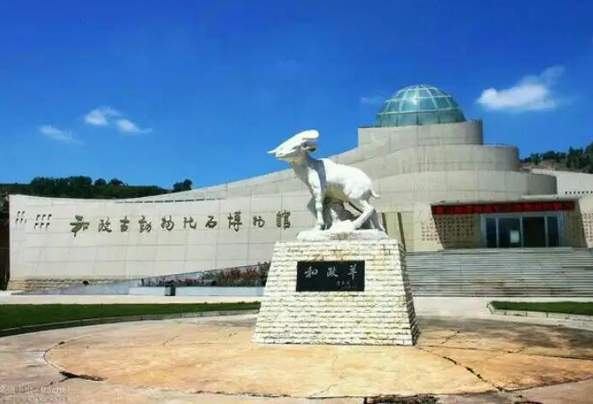
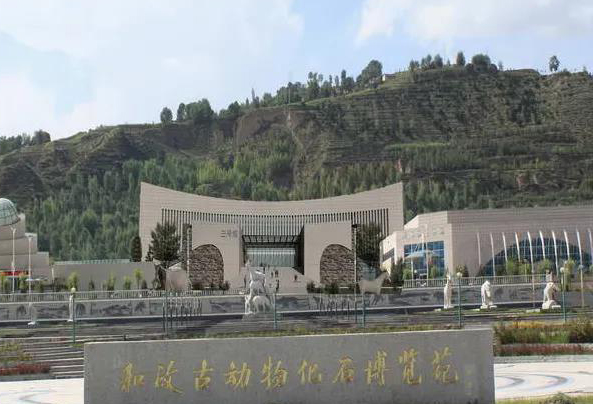
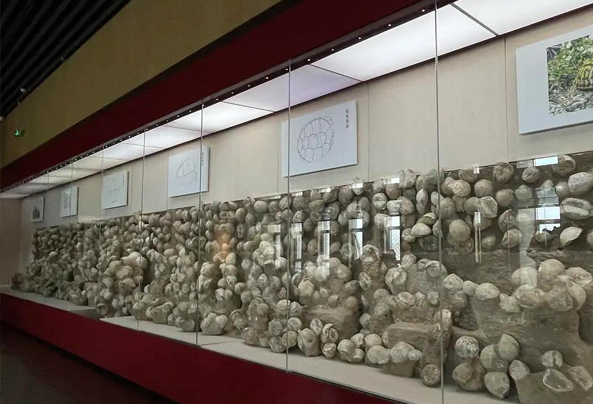
Nestled at the crossroads of history and modernity, the Hezheng Paleontological Fossil Museum in Gansu Province stands as a silent guardian of prehistoric secrets. As a national second-class museum, it houses over 30,000 paleontological fossils spanning 8 orders, 3 classes, and 150 genera—including more than 50 precious first-class cultural relics. Located in Liangjiazhuang New Village, Chengguan Town, Hezheng County, the museum covers 43,333 square meters (65 mu) with a total construction area of 8,000 square meters, drawing countless tourists and scholars annually. To protect its invaluable collections and meet the demands of high foot traffic, the museum selected Dajulong Flooring as its core flooring solution—a choice that balances durability, stability, and practicality while preserving the venue’s historical charm.
Exceptional wear resistance is a defining strength of Dajulong Flooring, tailored to the museum’s bustling environment. With daily streams of visitors trampling through exhibition halls, the flooring must withstand constant friction without compromising its integrity. Crafted with specialized materials and advanced manufacturing techniques, Dajulong Flooring resists scratches, abrasions, and long-term wear, maintaining a sleek, unblemished surface even after years of heavy use. This durability ensures that visitors can fully immerse themselves in the wonders of ancient fossils amid a clean, elegant setting, free from distractions of worn or damaged flooring. For a museum tasked with preserving irreplaceable relics, the flooring’s ability to stay "as good as new" is a critical asset in upholding the venue’s professional image.
Dajulong Flooring’s outstanding dimensional stability addresses Hezheng County’s diverse climatic conditions, where seasonal temperature and humidity fluctuations pose risks to building materials. Unlike conventional flooring that may warp or deform under such changes, Dajulong Flooring adapts seamlessly to environmental shifts, providing a stable foundation for the museum’s structure. This stability is vital for safeguarding the museum’s fossil displays: by preventing flooring-related shifts or unevenness, it eliminates potential threats to delicate exhibition equipment and the precious fossils themselves. Whether facing dry winters or humid summers, the flooring retains its shape and performance, ensuring the museum’s collections remain secure and displayed as intended.
Ease of cleaning and maintenance further solidifies Dajulong Flooring’s suitability for the museum. As a cultural venue committed to maintaining a pristine environment, the museum requires flooring that simplifies daily upkeep without sacrificing quality. Dajulong Flooring’s smooth, non-porous surface repels dirt and grime, allowing for effortless cleaning with simple wiping—no harsh chemicals or intensive labor required. This not only reduces cleaning costs and saves time but also eliminates the risk of floor damage during maintenance. For staff tasked with managing a busy museum, this convenience translates to more resources dedicated to preserving fossils and enhancing the visitor experience.
At the Hezheng Paleontological Fossil Museum, Dajulong Flooring is more than just a building material—it is a silent contributor to historical preservation. Its trio of core advantages—wear resistance, dimensional stability, and easy maintenance—provides unwavering support for the museum’s daily operations, safeguarding both its collections and its legacy. As cultural venues around the world seek durable, practical, and aesthetically pleasing flooring solutions, Dajulong Flooring stands out as a trusted partner, blending functionality with respect for heritage. Looking ahead, Dajulong remains committed to leveraging its expertise to create high-quality flooring environments for more cultural institutions, playing a vital role in the development and preservation of global cultural undertakings. This case serves as a testament to how thoughtful material selection can harmonize modern practicality with the timeless mission of safeguarding history.